
Neem Oil in K-Beauty: Acne Fighter or Skin Irritant?
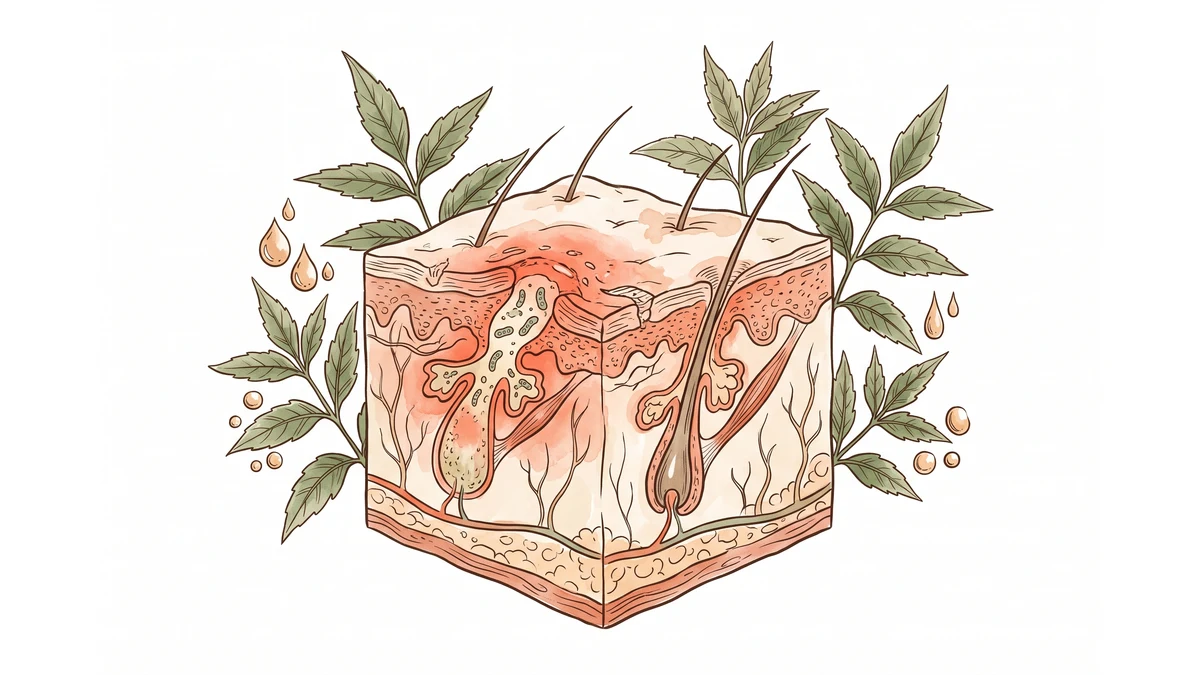
In this article
You've probably seen the TikTok: a dropper of dark, sulfur-smelling neem oil mixed into a moisturizer, with the caption "cleared my cystic acne in a week." The video has 400,000 likes. The comments are a mix of "obsessed" and "where do I buy."
Here's the thing. Neem does have antibacterial activity in a petri dish. That part is real. But the leap from "kills bacteria in a lab" to "safe for your face" skips over a lot of the actual research, including some findings that should make you pause before you drop it into your routine.
TL;DR
Neem oil has real antibacterial activity in vitro, but the human clinical evidence for facial acne is thin, and documented irritation and sensitization risks are not. For acne, salicylic acid, azelaic acid, or centella have stronger evidence and better safety profiles.
What the neem oil claim actually says
The pitch goes something like this: neem has been used in Ayurvedic medicine for thousands of years, it's a natural antibacterial, and it kills Cutibacterium acnes (the bacteria involved in acne). Therefore, it clears breakouts.
Each of those statements is technically true. The problem is what connects them.
Traditional use tells us a plant is probably not acutely toxic when used a certain way. It does not tell us the ingredient works for the condition you're using it for, at the concentration you're applying, on the part of the body you're applying it to. Neem has been used orally and as a scalp treatment far more than as a leave-on facial product. That distinction matters.
How neem oil actually works on skin
Cold-pressed neem oil contains a mix of fatty acids and bioactive compounds: nimbidin, azadirachtin, nimbin, and gedunin. The bioactives are what give it that garlic-sulfur smell and the antibacterial reputation.
In vitro studies (Pankaj et al., 2011; Alzohairy, 2016) show neem extracts can inhibit C. acnes growth at certain concentrations. The mechanism involves disrupting bacterial cell membranes and interfering with biofilm formation. That part checks out.
A frequently-cited in vitro study found neem leaf extract inhibited C. acnes at concentrations of 0.5–2% (Pankaj et al., 2011). But in vitro ≠ in vivo. No large RCT has tested neem oil on human facial acne against a placebo or an active like benzoyl peroxide.
What the lab data does not tell you: whether the same concentration survives on your skin, how it interacts with your sebum, whether your skin's microbiome stays balanced, or whether the bioactives cause irritation at the dose needed to kill bacteria.
What the claim leaves out
Here's the part the TikToks skip. Neem oil has documented irritation and contact dermatitis cases in the dermatology literature (Reutemann & Ehrlich, 2008). The same bioactive compounds that disrupt bacterial membranes can disrupt your own skin cells, especially if your barrier is already compromised from acne, over-exfoliating, or active breakouts.
A few other things worth knowing:
Cold-pressed neem oil is a heavy, occlusive oil. On oily or acne-prone skin, that occlusion can trap sebum and bacteria rather than clear them. The comedogenicity ratings vary, but anecdotal reports of neem triggering breakouts are not rare.
Ingested neem has been linked to toxicity in infants and in high doses in adults. Topical use is generally safer, but it's a reminder that "natural" and "potent" are not opposites.
Natural and potent are not opposites. Neem is both, which is exactly why it deserves more skepticism, not less.
Why K-beauty mostly skips neem
Walk through the acne aisle at Olive Young and you'll see tea tree, centella, propolis, mugwort, salicylic acid, and houttuynia cordata everywhere. Neem is rare. There's a reason for that.
Korean formulators tend to favor ingredients with gentler profiles that layer well into a multi-step routine. Centella asiatica has human trial data for reducing inflammation and supporting barrier repair. Tea tree oil at 5% performed comparably to 5% benzoyl peroxide for mild-to-moderate acne in a randomized trial (Bassett et al., 1990), with fewer side effects. Propolis has antibacterial activity plus wound-healing benefits.
These ingredients give you antibacterial or anti-inflammatory action without the irritation risk neem brings. If you want a calming, acne-friendly cream backed by centella, this one is a solid pick:
Paid links: Koracle may earn from qualifying purchases. Details.
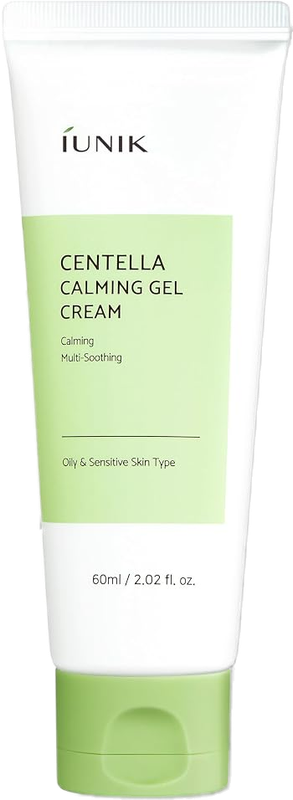
View on Amazon. Amazon shows final price and availability.
Not sure which acne ingredients your skin can actually tolerate?
Answer 9 questions. Koracle checks fit, conflicts, texture, and evidence.
Build my routine →What to use instead
For blackheads and clogged pores, salicylic acid (BHA) at 0.5–2% has decades of clinical data behind it. It's oil-soluble, so it gets into the pore where neem oil just sits on top.
For inflammatory and hormonal acne, azelaic acid at 10–20% reduces lesion counts, calms redness, and fades post-acne marks. It's gentle enough for sensitive skin and well-tolerated during pregnancy.
For calming active breakouts and supporting the barrier while you treat, a centella or propolis product does the soothing work without antibacterial overkill. The propolis gel below is a staple for acne-prone skin that still needs hydration:
If sheet masking is part of your routine and you're trying to calm active breakouts, tea tree sheet masks are a lower-risk way to get antibacterial benefit without a leave-on oil:
Paid links: Koracle may earn from qualifying purchases. Details.
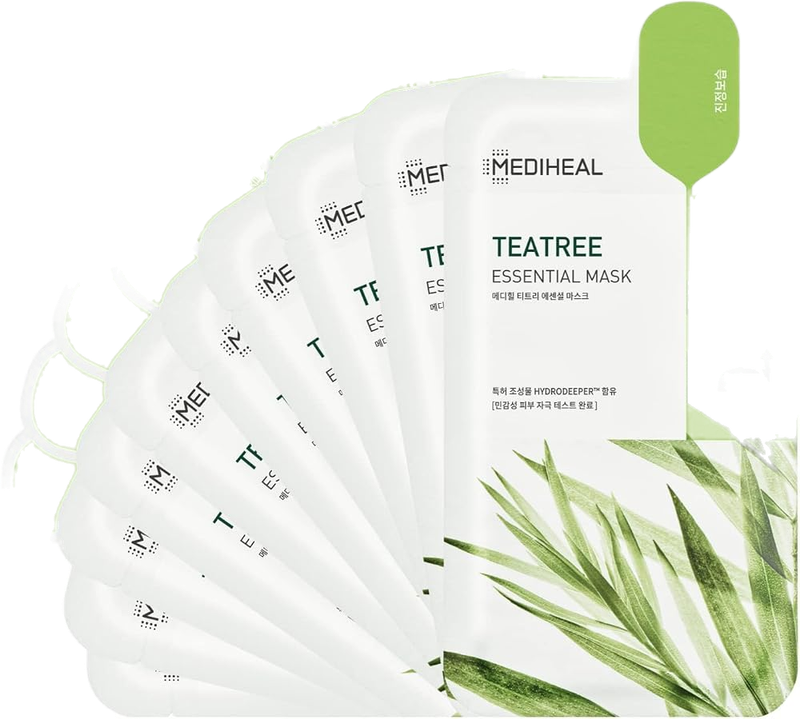
View on Amazon. Amazon shows final price and availability.
The bottom line
Neem oil isn't a scam, but it isn't a shortcut either. The lab evidence for antibacterial activity is real; the human evidence for safely treating facial acne is thin, and the irritation risk is well-documented. If you have acne-prone or sensitive skin, salicylic acid, azelaic acid, centella, or tea tree all give you more upside with less downside. Save the neem for your scalp if you're curious. Your face has better options.
Common Questions
Is neem oil actually proven to treat acne?↓
The clinical evidence is thin. Most studies on neem are in-vitro (petri dish) or animal-based, not controlled human trials on facial acne. The antibacterial activity is real in a lab setting, but that does not automatically translate to safe or effective topical use on your face.
Why does neem oil smell so bad?↓
That sulfurous, garlic-like smell comes from organosulfur compounds like nimbidin. The smell is a reliable sign you're getting a real, cold-pressed neem oil, but it's also a sign you're applying something potent and reactive to your skin.
Can I use neem oil if I have sensitive skin?↓
Probably not a good idea. Neem oil has documented cases of contact dermatitis and sensitization in the literature. If your skin runs sensitive or your barrier is already compromised, a centella or panthenol product will calm inflammation without the irritation risk.
What should I use instead for acne?↓
Salicylic acid (BHA) for blackheads and clogged pores, azelaic acid for inflammatory acne and post-acne marks, and centella asiatica or tea tree for calming active breakouts. All three have real human trial data behind them.
Turn what you learned into a routine that fits your skin.
Answer a few questions and Koracle will check formula fit, budget, tolerance, and routine order.
Build my formula-checked routine