
Why Your Moisturizer Feels Sticky: Humectant Overload and How to Fix It
In this article
Your skin feels tacky an hour after your routine. Fingers stick to your face. The moisturizer felt fine on day one, so you figured you just needed more. Now it's worse.
The product isn't failing. Your routine is stacking too many humectants with nothing on top to seal them.
TL;DR
Stickiness is almost always humectant overload: too much glycerin, hyaluronic acid, and panthenol with no occlusive layer sealing them in. Fix it by adding a cream with ceramides, squalane, or shea butter as your last step.
What humectants actually do
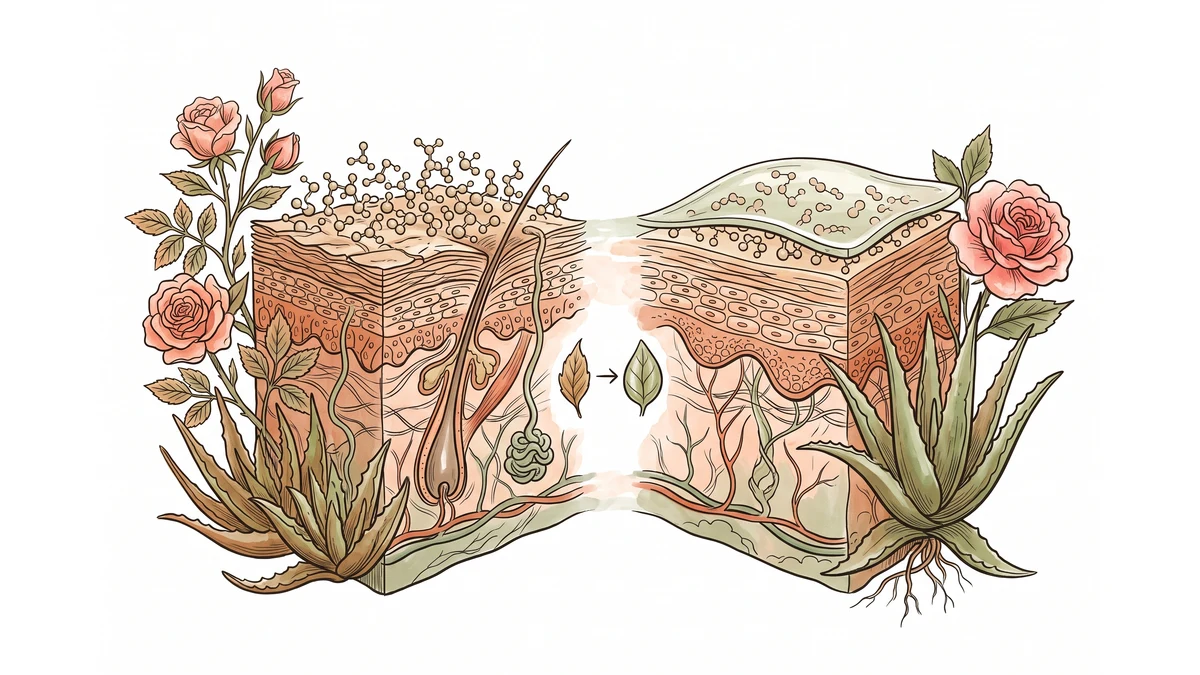
Humectants pull water into the top layer of your skin. Glycerin, hyaluronic acid, panthenol, sodium PCA, propylene glycol, and butylene glycol all work this way. They bind water molecules and hold them in the stratum corneum.
The catch: they pull water from wherever it's available. In humid air, that's the environment. In dry air, or when there's nothing sealing the surface, they can pull water up from deeper layers and let it evaporate (Fluhr et al., 2008).
Pure humectants on bare skin feel tacky because the water they attracted is sitting on the surface with nowhere to go.
Why your routine stacks them without you noticing
Count the humectants in your current routine. Toner: glycerin, butylene glycol. Essence: hyaluronic acid, panthenol. Serum: more hyaluronic acid. Moisturizer: glycerin in the top five ingredients.
That's four products feeding the same layer of your skin, and most Korean moisturizers labeled "hydrating gel cream" are humectant-heavy by design. They feel light. They absorb fast. They play well in a 10-step routine on camera.
They do not seal.
Humectants are the water. Occlusives are the lid. A routine without a lid will feel sticky no matter how many hydrating products you layer.
How to fix stickiness without rebuilding your whole routine
The fastest fix is swapping your last step for an occlusive-forward cream. Occlusives (ceramides, squalane, shea butter, dimethicone, petrolatum) form a thin film that slows water loss and traps the humectant layer underneath. The tacky feeling disappears in minutes.
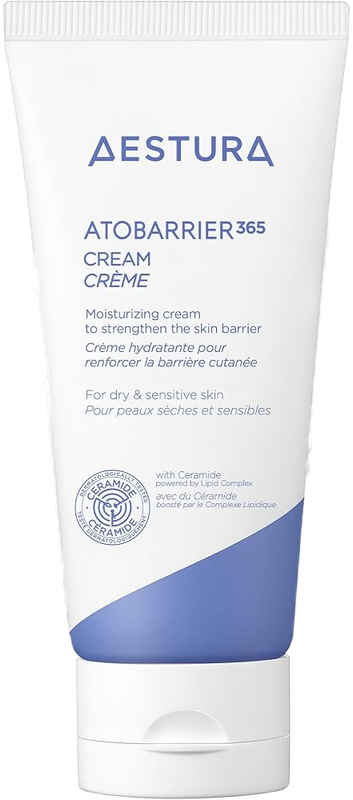
For normal to dry skin, a ceramide-rich barrier cream is the cleanest fix. It takes the stickiness down without feeling heavy.
Paid links: Koracle may earn from qualifying purchases. Details.
View on Amazon. Amazon shows final price and availability.
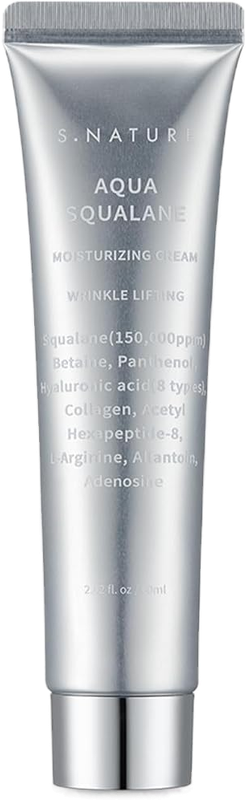
If your skin runs oily or combination and you still want occlusive support without weight, a squalane-based cream absorbs faster and leaves less film.
Paid links: Koracle may earn from qualifying purchases. Details.
View on Amazon. Amazon shows final price and availability.
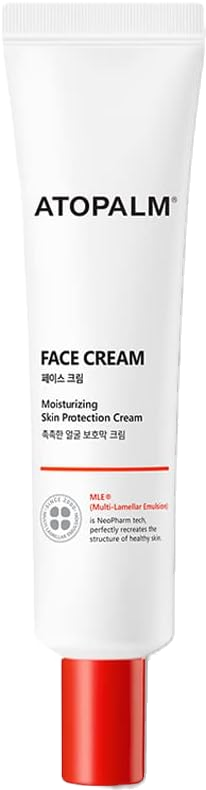
For compromised or very sensitive skin, a lamellar-structured cream (one that mimics your skin's own lipid layers) seals the humectants while actively repairing the barrier.
Paid links: Koracle may earn from qualifying purchases. Details.
View on Amazon. Amazon shows final price and availability.
When to cut humectants instead of adding occlusives
Sometimes the stack itself is the problem. If you're using a hyaluronic acid serum, a hyaluronic acid essence, and a hyaluronic acid cream, you're not getting three times the hydration. You're getting one layer of hydration and two layers of tack.
Pick one humectant-heavy product per routine. Make the rest do a different job: soothing, barrier repair, actives, or occlusion. Your skin can only hold so much water in the stratum corneum. Past that point, more humectant just means more residue.
Not sure which moisturizer actually fits your skin?
Answer 9 questions. Koracle checks fit, conflicts, texture, and evidence.
Build my routine →When stickiness means something else
If your moisturizer feels sticky and your skin feels tight underneath, that's dehydration, not overload. The humectants are pulling water from your deeper layers because the air around you is dry and nothing is sealing the surface. Same fix: add an occlusive top layer. The stickiness and the tightness both resolve.
If stickiness comes with stinging, flaking, or redness, you're likely dealing with barrier damage, not formulation. Pull back on actives for a week and run a short recovery routine built around ceramides and panthenol.
Paid links: Koracle may earn from qualifying purchases. Details.
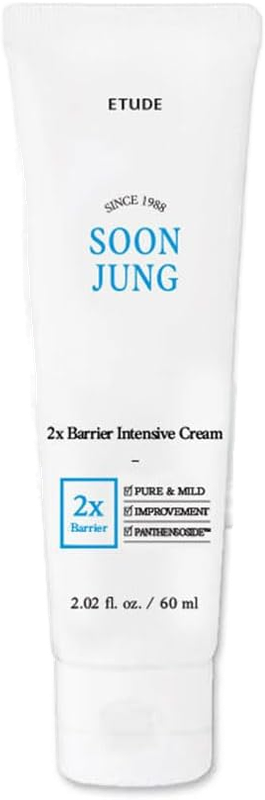
View on Amazon. Amazon shows final price and availability.
The bottom line
Sticky skin is a routine problem, not a product problem. You have plenty of water on your face. What you don't have is a lid. Add a ceramide, squalane, or lamellar cream as your last step and the tack disappears. If you still feel it, you have too many humectant layers and need to cut one, not add another.
Common Questions
Does sticky skin mean the moisturizer isn't working?↓
No. Stickiness usually means too many humectants are sitting on top of your skin without an occlusive to seal them in. The ingredients are still binding water, you just need to change the order or the top layer.
Can I fix stickiness by using less product?↓
Sometimes, but the better fix is adding an occlusive step. A cream or balm with ceramides, squalane, or shea butter traps the humectant layer and takes the tack down fast.
Is hyaluronic acid the problem?↓
Not on its own. Hyaluronic acid is a humectant, so it pulls water. If three products in your routine also contain glycerin, HA, or panthenol, you're stacking humectants without the occlusive layer that locks them in.
Turn what you learned into a routine that fits your skin.
Answer a few questions and Koracle will check formula fit, budget, tolerance, and routine order.
Build my formula-checked routine