
K-Beauty Night Routine Without Actives: A Hydration-First Approach

In this article
Your feed keeps telling you that a "real" night routine needs retinol, an acid, and a peptide serum stacked in the right order. That the hours you're asleep are your one shot at anti-aging, and skipping actives is a waste of them.
That framing gets one thing right: your skin does repair itself overnight. It gets almost everything else wrong.
TL;DR
Your skin's overnight repair work runs on hydration and lipids, not actives. A hydration-first night routine, cleanser, hydrating toner, essence, cream, is enough to support barrier recovery and often outperforms an aggressive stack for skin that's tired, sensitized, or over-exfoliated.
What your skin actually does at night
Overnight, your skin loses more water and rebuilds more lipids than at any other time in the 24-hour cycle. Transepidermal water loss (TEWL) peaks between 11pm and 4am, and skin temperature runs higher, which accelerates evaporation (Yosipovitch et al., 1998). At the same time, keratinocytes ramp up cholesterol, ceramide, and fatty acid synthesis to rebuild the barrier.
The mistake in the "night is for actives" story is treating your skin like a factory floor that needs raw materials dumped on it. It's already busy. What it needs from you is help holding onto water while it works.
Retinol, AHAs, and BHAs all disrupt the barrier to some degree in exchange for their long-term benefits. Used well, that trade is worth it. Used every night on top of a barrier that's already leaking water, you're paying interest on a loan you didn't need to take.
Your skin does not need more actives to repair itself overnight. It needs you to stop interrupting the repair it's already doing.
When to skip actives entirely
There are specific signals that mean your skin is asking for a no-actives night. Tightness after cleansing, stinging when you apply a serum that used to feel fine, flushing that lingers past 10 minutes, small flaky patches around the nose or mouth, or a sudden cluster of tiny bumps that aren't classic acne.
Any of those means your barrier is compromised. Adding more actives to a compromised barrier is how a two-week problem becomes a two-month one.
You also skip actives on nights after a long flight, a sunburn, a facial, a dermatology procedure, or a day where you drank more alcohol than usual. All of these raise inflammation and TEWL. Piling niacinamide, retinol, and acid on top does not "reset" your skin. Hydration does.
If you're using tretinoin or another prescription retinoid, do not stop without talking to your prescriber. A hydration-first night on your rest days from tretinoin is a common protocol, but changing the prescription itself is a different conversation.
The five-step hydration-first night routine
Here's the structure. Each step has a specific job. Nothing here is decorative.
The order matters less than the principle: thinnest to thickest, water-based before oil-based, and every layer applied to slightly damp skin so it has something to hold onto.
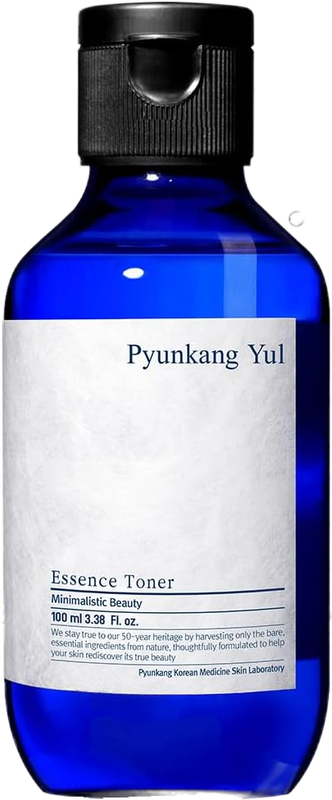
Step 3: the hydrating toner or essence
This is the step people skip that changes the most. A hydrating essence delivers humectants (glycerin, hyaluronic acid, panthenol, fermented extracts) directly to a damp stratum corneum, where they can hold water in place until the cream seals it.
If your skin runs dry and tight, an essence with fermented ingredients or low-molecular-weight hyaluronic acid gives you more visible plumping than any active would on a compromised night.
Paid links: Koracle may earn from qualifying purchases. Details.
View on Amazon. Amazon shows final price and availability.
Paid links: Koracle may earn from qualifying purchases. Details.
View on Amazon. Amazon shows final price and availability.
For skin that's flushed or reactive, artemisia and centella-based essences add anti-inflammatory support without any exfoliating load.
Step 4: the cream that does the real work
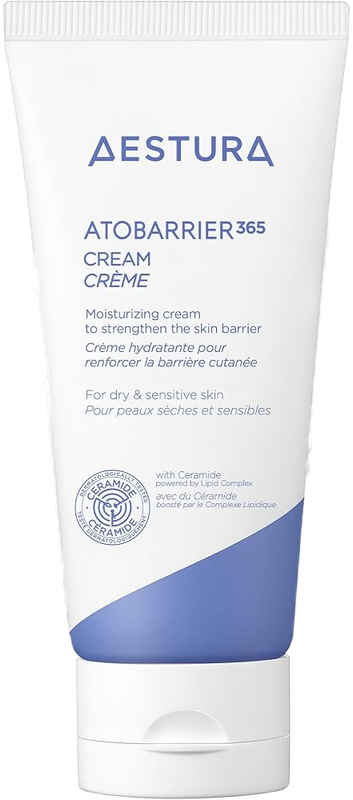
Your cream is the difference between waking up plumped or waking up tight. This is where you want ceramides, cholesterol, and fatty acids in a ratio that mirrors what your skin makes itself, roughly 3:1:1 (Man et al., 1996). K-beauty barrier creams are unusually good at this because the category has been iterating on it for a decade.
For genuinely dry or compromised skin, a dense ceramide cream is the anchor of a hydration-first routine.
Paid links: Koracle may earn from qualifying purchases. Details.
View on Amazon. Amazon shows final price and availability.
Paid links: Koracle may earn from qualifying purchases. Details.
View on Amazon. Amazon shows final price and availability.
If your skin runs combination or you find heavy creams pill under your pillow, a gel-cream with the same ingredient logic works.
Paid links: Koracle may earn from qualifying purchases. Details.
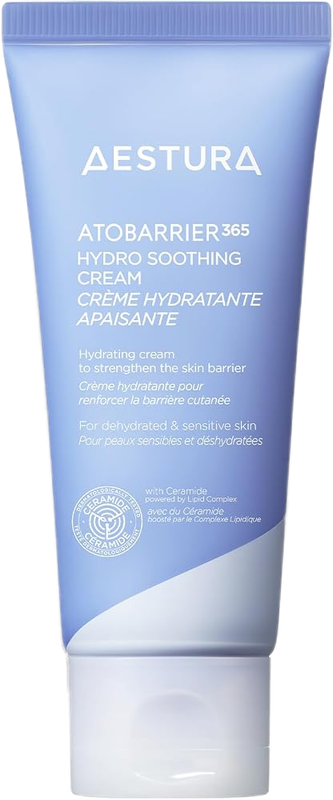
View on Amazon. Amazon shows final price and availability.
Paid links: Koracle may earn from qualifying purchases. Details.
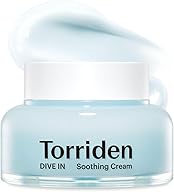
View on Amazon. Amazon shows final price and availability.
For skin that's reactive or currently flushed, panthenol- and centella-forward creams calm and hydrate at once.
Paid links: Koracle may earn from qualifying purchases. Details.
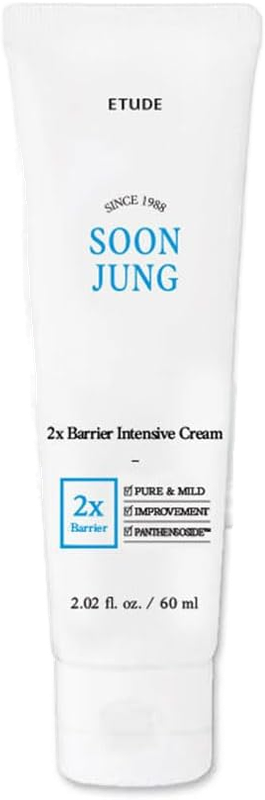
View on Amazon. Amazon shows final price and availability.
Paid links: Koracle may earn from qualifying purchases. Details.
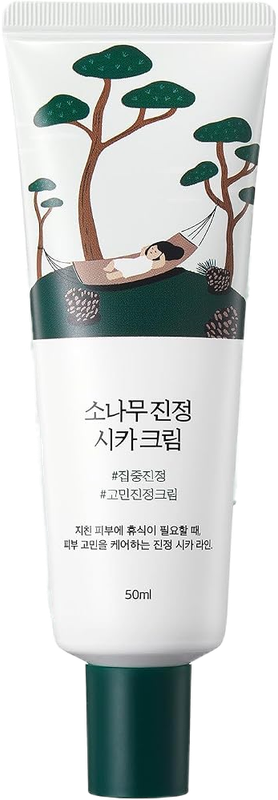
View on Amazon. Amazon shows final price and availability.
Not sure which barrier cream fits your skin?
Answer 9 questions. Koracle checks fit, conflicts, texture, and evidence.
Build my routine →Step 5: the optional sleeping mask
A sleeping mask is not a replacement for a cream. It sits on top of one. The job of an overnight mask is to slow water loss with a slightly heavier occlusive layer while delivering an extra pass of humectants.
Use one when your skin has been dehydrated for a few days in a row, when you've been in a hotel or on a plane, or when the heater is running dry air through your bedroom. Skip it on nights when your skin looks calm and balanced already.
Paid links: Koracle may earn from qualifying purchases. Details.
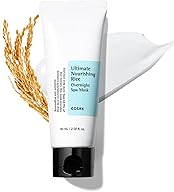
View on Amazon. Amazon shows final price and availability.
Paid links: Koracle may earn from qualifying purchases. Details.
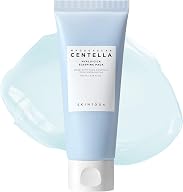
View on Amazon. Amazon shows final price and availability.
The bottom line
A hydration-first night routine is not a beginner routine or a lazy routine. It's the routine your skin needs on the majority of nights, with actives layered in on the specific evenings your barrier can handle them. The people with the most consistent skin are not the ones running the longest ingredient lists. They're the ones who know when to stop.
Common Questions
Is a no-actives night routine effective for anti-aging?↓
Yes. Barrier repair and hydration overnight support collagen synthesis and reduce inflammation, both of which drive visible aging. You do not need retinol every night to see long-term results.
How often should I skip actives at night?↓
If your skin feels tight, stings when you apply product, or looks flushed, skip actives until those signs resolve. For most people, 2 to 4 no-actives nights per week is a reasonable baseline.
Can I still use vitamin C in the morning if my night routine has no actives?↓
Yes. Separating actives to AM and keeping PM for barrier support is one of the cleanest ways to run a routine without overloading your skin.
Do I need a sleeping mask every night?↓
No. A sleeping mask is useful when your skin feels dehydrated or after a stressful day. For most nights, a good cream is enough.
Will skipping actives at night cause breakouts?↓
Not if your cleansing step is solid. Breakouts are more often driven by a compromised barrier than by a missing exfoliant.
Turn what you learned into a routine that fits your skin.
Answer a few questions and Koracle will check formula fit, budget, tolerance, and routine order.
Build my formula-checked routine