
Mixing Azelaic Acid With Korean Actives: What Actually Plays Well Together

In this article
Your feed keeps telling you azelaic acid is the "gentle" active that works with everything. Half true. It is gentler than most acids, and it does slot into more routines than retinol or vitamin C. But "works with everything" glosses over the two or three combinations that either irritate your barrier or waste the product entirely.
The good news is that most Korean routines already contain the ingredients azelaic acid pairs best with.
TL;DR
Azelaic acid pairs cleanly with niacinamide, centella, hyaluronic acid, and retinol. Stagger it with vitamin C and other exfoliating acids. Skip layering it with high-strength AHA/BHA on the same night.
How azelaic acid actually works
Azelaic acid does three things at once, which is why the pairing rules matter. It inhibits tyrosinase (the enzyme that makes melanin), it has mild antimicrobial activity against C. acnes, and it exerts a light anti-keratinizing effect that keeps pores clear. A meta-analysis of azelaic acid for melasma found 15-20% azelaic acid performed comparably to 4% hydroquinone over 24 weeks (Sarkar et al., 2013), which is the reference point most dermatologists use.
The mechanism matters because it tells you what to avoid stacking. Anything that also targets tyrosinase (vitamin C) is redundant on the same application. Anything that also disrupts the stratum corneum (AHA, BHA, retinoids at high concentrations) compounds irritation.
Paid links: Koracle may earn from qualifying purchases. Details.
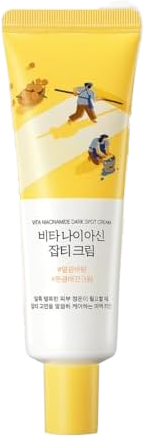
View on Amazon. Amazon shows final price and availability.
Niacinamide is the strongest partner
Niacinamide and azelaic acid hit different steps in the same pathway, which is exactly what you want. Azelaic acid slows melanin production at the enzyme level. Niacinamide blocks the transfer of finished melanosomes from melanocytes to keratinocytes. Two different chokepoints, same end result: less pigment reaching the surface.
This is one of the few pairings where layering directly, rather than staggering, gives you more than either alone. A niacinamide serum followed by azelaic acid works. The old "niacinamide plus acid = nicotinic acid flush" claim was disproven decades ago and does not apply here.
Paid links: Koracle may earn from qualifying purchases. Details.
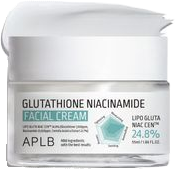
Recently checked. Amazon shows final price and availability.
Vitamin C: pick a time of day
Vitamin C and azelaic acid both inhibit tyrosinase, so stacking them on the same routine step is redundant. You are not getting a stronger effect. You are getting one active's worth of tyrosinase inhibition plus twice the low-pH irritation potential.
Vitamin C in the morning, azelaic acid at night. Two different mechanisms of protection across 24 hours instead of two identical actives fighting for the same window.
The AM/PM split also lets vitamin C do its actual daytime job (neutralizing free radicals from UV) while azelaic acid works on pigment overnight without competing.
Retinol pairs better than the internet claims
Azelaic acid and retinol together are well-tolerated in clinical use, despite the reputation both have for irritation. A study on acne patients using 20% azelaic acid with 0.05% tretinoin found the combination reduced lesions faster than either alone, without a meaningful increase in irritation scores (Graupe et al., 1996). Retinol at K-beauty concentrations (0.1-0.3%) is even less likely to stack irritation.
Apply retinol to dry skin first, wait about 10 minutes, then apply azelaic acid. If your skin is currently reactive or you are new to retinoids, alternate nights instead. That is a comfort choice, not a chemistry rule.
Where the combinations break down
Stacking azelaic acid with a strong AHA or BHA on the same night is where routines start irritating people. Azelaic acid already has mild keratolytic activity. Adding 8% glycolic acid or 2% salicylic acid on top does not double the exfoliation. It just pushes past the barrier's tolerance.
If your routine already includes an exfoliating acid two to three nights a week, use azelaic acid on the other nights. Not the same night.
The exception: gentle PHA (gluconolactone) or very low-percentage lactic acid in a moisturizer is fine alongside azelaic acid. The molecule size and buffering do most of the tolerance work.
Not sure which actives fit your current routine?
Answer 9 questions. Koracle checks fit, conflicts, texture, and evidence.
Build my routine →Centella and ceramides are the buffer layer
If you want azelaic acid to work harder, the smartest move is not stacking more actives on top. It is fixing what your barrier does after. Azelaic acid at effective concentrations (10% and up) causes transient warmth or tingling in about a third of users during the first two weeks. A centella-based cream or ceramide moisturizer applied 5-10 minutes later dampens that response without blocking absorption.
Paid links: Koracle may earn from qualifying purchases. Details.
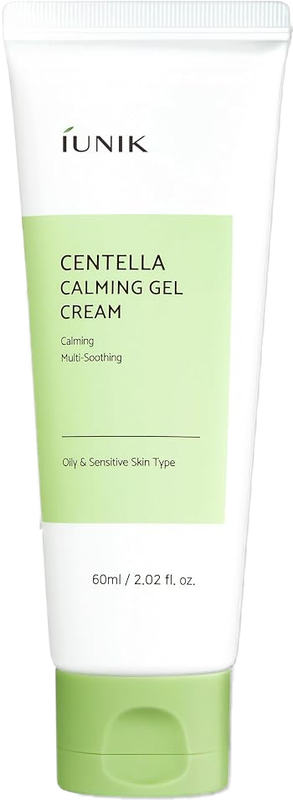
View on Amazon. Amazon shows final price and availability.
For dry or barrier-compromised skin, a ceramide cream layered on top is the better call. It gives azelaic acid something to work under without competing for the same active mechanism.
Paid links: Koracle may earn from qualifying purchases. Details.
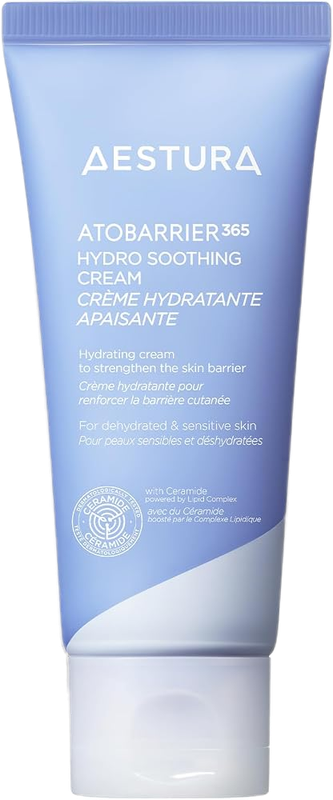
View on Amazon. Amazon shows final price and availability.
The bottom line
Azelaic acid is one of the most cooperative actives in a K-beauty routine, but "cooperative" is not the same as "throw it in anywhere." Pair it directly with niacinamide, layer it under centella or ceramide moisturizers, and stagger it with vitamin C and any other exfoliating acids. That is the whole rulebook.
Common Questions
Can I use azelaic acid with vitamin C in the same routine?↓
Yes, but stagger them. Vitamin C in the morning, azelaic acid at night works better than layering both at once. They target overlapping steps in the pigment pathway, so back-to-back application is redundant and more irritating than either alone.
Does azelaic acid cancel out niacinamide?↓
No. This is the same debunked myth as niacinamide plus vitamin C. Azelaic acid and niacinamide are one of the most complementary pairs in a brightening routine because they hit different parts of pigment production.
Can I layer azelaic acid over BHA or AHA?↓
Not on the same night. Azelaic acid has mild exfoliating activity on its own, and stacking it with salicylic or glycolic acid raises irritation risk without a proportional benefit. Alternate nights.
Is azelaic acid safe with retinol?↓
Yes, and the combination is well-tolerated in studies for both acne and melasma. Apply retinol first, wait 10 minutes, then azelaic acid. Or alternate nights if your barrier is reactive.
Turn what you learned into a routine that fits your skin.
Answer a few questions and Koracle will check formula fit, budget, tolerance, and routine order.
Build my formula-checked routine